If you searched for wether meaning, wether or whether, or even wether today, you may have noticed that the word appears in several very different contexts. The confusion is understandable because wether, whether, and weather sound extremely similar, while WETH is an entirely different term used in cryptocurrency.
So, what does wether actually mean? Is “wether or not” correct? What is the difference between wether and whether? And why do searches such as wether Bellingham, wether NYC, and wethaer often lead people toward weather information?
This guide explains each term clearly, with examples that make the differences easy to remember.
What Does Wether Mean?
Wether is a real English word. It is not simply a spelling mistake.
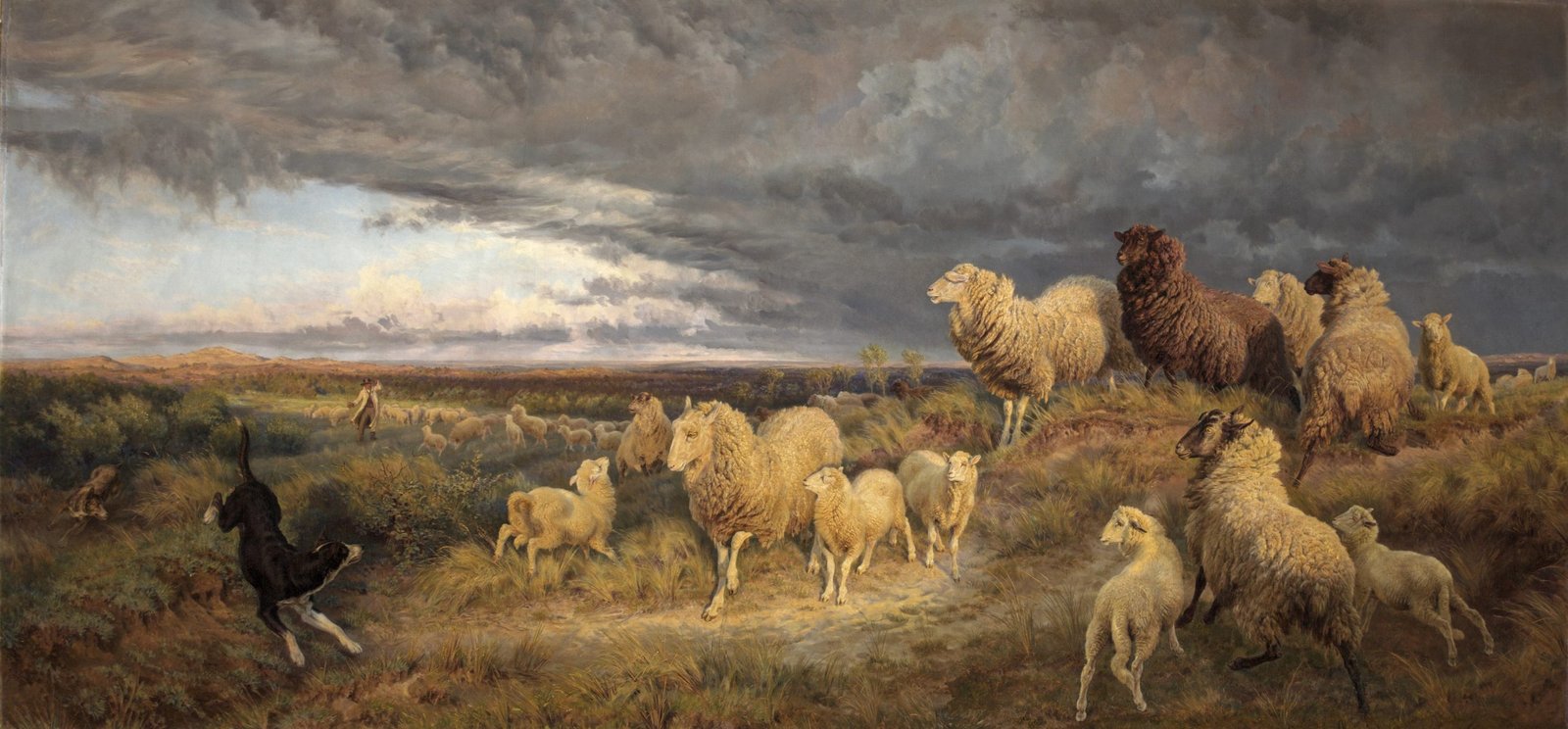
A wether is a male sheep that has been castrated. The term is mainly used in farming, livestock, agriculture, and animal husbandry. Dictionaries including Collins and Dictionary.com define wether in this sense.
For example:
The farmer moved the wether into a separate field.
The flock included several ewes, lambs, and wethers.
The word is relatively uncommon in everyday conversation, which is one reason people often confuse it with weather or whether.
Wether Meaning in Simple English
The simplest wether meaning is:
Wether = a castrated male sheep.
In some dictionary definitions, the word can also refer to a castrated male goat, although the most common definition focuses on sheep.
It is therefore a legitimate noun rather than an incorrect spelling.
If you are talking about livestock, wether may be exactly the word you need.
Wether or Whether: What Is the Difference?
The difference between wether or whether becomes much easier when you connect each word with its meaning.
Wether refers to a castrated male sheep.
Whether is a conjunction used when talking about uncertainty, alternatives, or possibilities.
Weather refers to atmospheric conditions such as rain, wind, sunshine, temperature, and clouds.
For example:
- The farmer owns a young wether.
- I don’t know whether she will come.
- The weather is cold today.
These words can sound alike, but their meanings are completely different. Australian government writing guidance, for example, specifically distinguishes wether, whether, and weather in its guide to commonly confused words.
Wether or Whether: Which One Should You Use?
If you are expressing a choice or uncertainty, whether is normally the correct spelling.
For example:
I don’t know whether he will arrive today.
She asked whether we wanted coffee.
We need to decide whether to stay or leave.
Cambridge notes that whether is used for alternatives and indirect questions, and it is also used before a to-infinitive, such as “whether to go.”
By contrast, wether should only be used when you mean the animal.
What Does “Wether or Not” Mean?
The search phrase wether or not is usually a spelling mix-up involving whether or not.
The standard expression is:
whether or not
It means that something applies regardless of which possibility is true.
For example:
We will go whether or not it rains.
I will finish the project whether or not you agree.
She plans to attend whether or not her friends come.
Cambridge confirms that whether … or not is a standard construction.
So, if you are writing about a choice or possibility, write whether or not, not wether or not.
Wether vs Weather
The wether vs weather confusion is especially common because both words are pronounced very similarly.
Wether = a castrated male sheep.
Weather = the condition of the atmosphere.
For example:
The wether was grazing with the flock.
versus:
The weather is sunny today.
Weather can include temperature, rain, snow, wind, humidity, clouds, and other atmospheric conditions. Grammar references commonly identify weather, whether, and wether as easily confused words or homophones.
A simple memory trick is to associate wether with sheep and weather with the sky.
Wether Today: Did You Mean Weather Today?
The keyword wether today is likely to be a misspelling of weather today when the searcher wants current atmospheric conditions.
If you want to know whether it is raining, sunny, windy, hot, or cold, the correct word is weather.
For example:
What is the weather today?
Not:
What is the wether today?
The second sentence would not normally make sense unless you were specifically discussing a particular animal.
Wether Bellingham: Is It About the Weather in Bellingham?
The search wether Bellingham is another example where the intended word is very likely weather.
Someone searching for weather information in Bellingham would normally write:
weather Bellingham
The word wether itself has no special geographical connection to Bellingham. If the intention is to find temperature, rain, wind, forecasts, or other atmospheric information for Bellingham, weather is the appropriate spelling.
Wether NYC: What Does It Mean?
The same distinction applies to wether NYC.
If someone wants information about atmospheric conditions in New York City, the intended search is most likely:
weather NYC
For example:
What is the weather in NYC today?
Here, weather describes the atmospheric conditions in New York City.
The word wether, on the other hand, refers to the livestock term described earlier.
Wethaer: Is That a Word?
Wethaer is generally a spelling error rather than a standard modern English word in the context of these searches.
People may accidentally type wethaer when trying to write weather or whether.
The intended spelling depends on the sentence.
If you mean atmospheric conditions:
weather
If you mean a choice or uncertainty:
whether
If you mean a castrated male sheep:
wether
This distinction is much more useful than simply treating wethaer as an alternative spelling.
Whether or Wether or Weather?
Here is the easiest way to remember all three:
| Word | Meaning | Example |
|---|---|---|
| Wether | Castrated male sheep | The wether was grazing. |
| Whether | Choice, uncertainty, or alternatives | I don’t know whether to go. |
| Weather | Atmospheric conditions | The weather is warm. |
Once you connect each spelling to its meaning, the confusion becomes much easier to avoid.
What Does “Whether” Mean?
Whether is commonly used when someone is considering two or more possibilities.
For example:
I don’t know whether he is coming.
She is deciding whether to buy the car.
We need to determine whether the information is accurate.
It can often be understood in contexts involving “if,” although the two words are not interchangeable in every grammatical construction.
One important example is the infinitive:
I don’t know whether to stay.
This is standard English, whereas “I don’t know if to stay” is generally considered incorrect. Cambridge specifically highlights this distinction.
Why Do People Confuse Wether, Whether and Weather?
The main reason is pronunciation.
The words look different on paper, but when spoken, they can sound extremely similar. This makes them particularly easy to confuse when someone is typing quickly, using voice input, or relying on memory.
There is also a frequency problem.
Most people encounter weather and whether regularly. Far fewer people encounter wether unless they read about sheep, farming, livestock, or agriculture.
As a result, spell-checkers and writers may automatically assume that wether is a mistake even though it is a genuine English noun.
What Does WETH Mean?
The keyword weth introduces a completely different topic.
In cryptocurrency, the better-known term is WETH, which stands for Wrapped Ether or Wrapped ETH.
WETH is a tokenized representation of Ether designed to follow the ERC-20 token standard. Ethereum’s official documentation explains that WETH allows ETH to interact with applications and tokens that use ERC-20-compatible functionality.
This has nothing to do with the English word wether.
For example:
Wether → livestock term
Whether → grammar
Weather → atmospheric conditions
WETH → cryptocurrency
Capitalization is particularly important with WETH because it identifies the crypto-related term.
WETH vs ETH
ETH is the native asset of the Ethereum network.
WETH is a wrapped representation of ETH that follows the ERC-20 token standard, allowing it to work more easily with many decentralized applications and token-based systems. Ethereum explains that users deposit ETH into a smart contract and receive an equivalent amount of WETH.
This is why someone searching weth may actually be looking for information about cryptocurrency rather than the spelling of wether.
Common Examples of Wether
Because wether is a specialized livestock word, it usually appears in agricultural contexts.
Examples include:
The farmer purchased a young wether.
Several wethers were grazing near the barn.
The shepherd separated the wethers from the breeding animals.
The wether had been raised for wool and meat.
The important point is that the word refers to an animal, not atmospheric conditions or uncertainty.
Common Examples of Whether
Use whether when discussing choices, alternatives, or uncertainty.
Examples include:
I don’t know whether she will attend.
He asked whether the store was open.
We need to decide whether to continue.
She couldn’t determine whether the answer was correct.
Tell me whether you want tea or coffee.
These sentences have nothing to do with sheep or weather.
Common Examples of Weather
Use weather when discussing conditions outside.
Examples include:
The weather is beautiful today.
The weather forecast predicts rain.
We stayed home because of the bad weather.
New York weather can change quickly.
The weather in Bellingham is different from the weather in Miami.
This is the word that searchers usually mean when they type queries such as wether today, wether Bellingham, or wether NYC.
Is Wether a Misspelling?
Not necessarily.
Wether is a real English word. It becomes a spelling mistake only when the writer actually means whether or weather.
For example:
Correct:
The farmer inspected the wether.
Incorrect if referring to a choice:
I don’t know wether he will come.
Correct:
I don’t know whether he will come.
Incorrect if referring to atmospheric conditions:
The wether is cold.
Correct:
The weather is cold.
This is why simply saying “wether is wrong” would be inaccurate.
Quick Way to Remember the Difference
A simple memory method can help:
Wether = sheep
Whether = choice
Weather = sky
WETH = crypto
If you remember those four associations, most spelling confusion disappears immediately.
Frequently Asked Questions About Wether
What is the meaning of wether?
Wether is a noun meaning a castrated male sheep. It is mainly used in livestock, farming, and agricultural contexts.
Is wether the same as whether?
No. Wether refers to a castrated male sheep, while whether is a conjunction used to express alternatives, uncertainty, or choices.
Is “wether or not” correct?
Usually, no. If you are expressing an alternative or possibility, the standard expression is whether or not.
What is the difference between wether and weather?
Wether means a castrated male sheep. Weather refers to atmospheric conditions such as rain, wind, temperature, and sunshine.
What does WETH mean?
WETH stands for Wrapped Ether or Wrapped ETH. It is an ERC-20-compatible representation of ETH used to make Ether compatible with many token-based applications on Ethereum.
Final Verdict
The keyword wether can be confusing because it sits alongside several words that look and sound almost identical.
The actual wether meaning is a castrated male sheep. Whether is used for choices and uncertainty, while weather describes atmospheric conditions. Therefore, searches such as wether or not, wether today, wether Bellingham, and wether NYC often indicate that the searcher intended to type whether or weather.
Meanwhile, weth or WETH belongs to the world of Ethereum and cryptocurrency and has an entirely different meaning.
The easiest rule is simple: wether means sheep, whether means choice, weather means the atmosphere, and WETH means Wrapped Ether.